


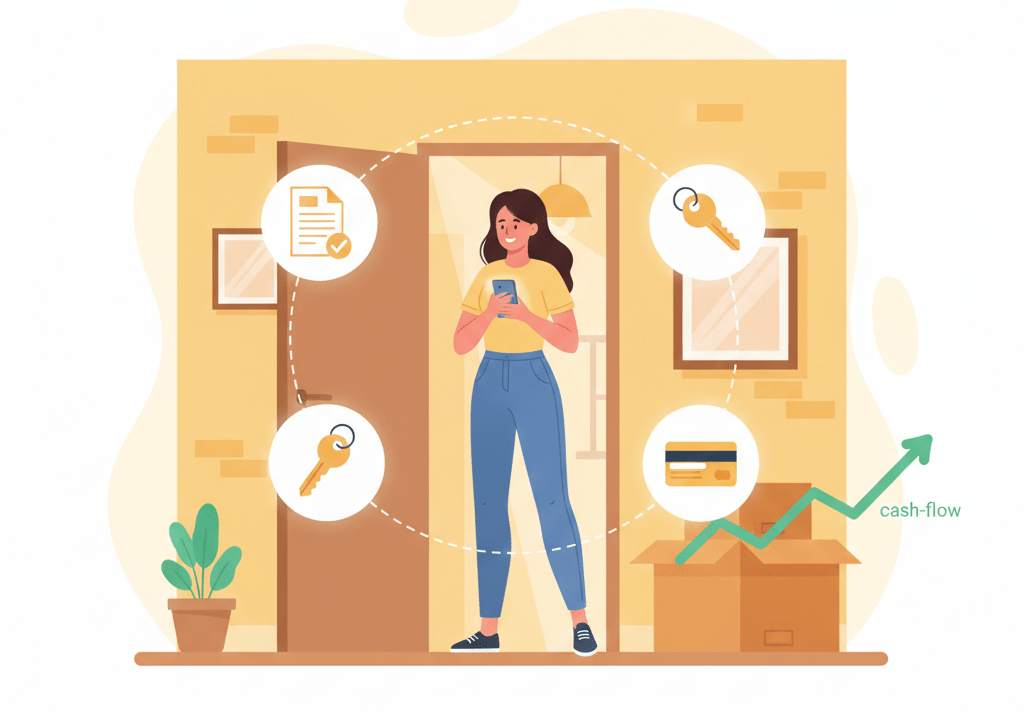
The first 30 days of a lease quietly decide whether a tenant sees your property as “home” or a temporary stop. If their move‑in is confusing, paperwork is messy, and support feels hard to reach, they are far more likely to leave at the end of the term or earlier if they can. Digital tenant onboarding is about getting that first month right with clear, simple, and well‑structured experiences.
By moving onboarding into a digital, guided flow, property managers reduce friction, build trust faster, and protect long‑term occupancy and revenue.
Why the First 30 Days Matter So Much
New tenants arrive with high expectations and low patience. They are juggling moving logistics, new routines, and often new jobs or schools. If you add unclear instructions, missing information, or delays in access and services, frustration builds quickly.
A smooth, professional onboarding:
- Confirms they made the right choice.
- Reduces basic “how do I…?” questions.
- Sets the tone for a respectful, well‑managed relationship.
What Digital Tenant Onboarding Looks Like
Instead of scattered emails and paper forms, digital onboarding brings everything into one guided process, usually via a portal or app:
- Pre‑move:
- Digital signing of lease and documents.
- Clear move‑in checklist, parking or access instructions, and key collection details.
- Move‑in week:
- Simple setup for rent payments and deposits.
- Introduction to house rules, amenities, and important contacts.
- First month:
- Easy way to submit issues or requests.
- Helpful reminders and tips about using facilities and services.
Tenants always know where to go, what to do next, and who to reach if something is wrong.

Benefits for Property Managers
When onboarding is digital and structured, managers see immediate improvements:
- Fewer repetitive questions about payments, rules, and access.
- Fewer errors in documents and tenant data.
- Faster resolution of early maintenance issues because requests are logged correctly from day one.
Over time, this leads to better reviews, higher renewal rates, and lower vacancy costs.
Simple Steps to Improve Your First 30 Days
You don’t need a complex system to start improving onboarding. Focus on:
- Centralizing information
Create one digital home (portal, app, or website page) where new tenants can find everything they need. - Standardizing your onboarding checklist
Define a clear set of steps: sign, pay, collect keys, understand rules, connect to support. - Automating key communications
Schedule welcome messages, payment setup prompts, and friendly check‑ins during the first month. - Making support easy to reach
Ensure there’s a simple, digital way to log issues and track responses—no guessing, no chasing.
Onboarding as a Retention Tool
Digital tenant onboarding is not just an admin task; it is an investment in retention. When the first 30 days are organized, transparent, and responsive, tenants feel looked after and are far more likely to stay. That stability directly reduces vacancy, marketing, and turnover costs for your portfolio.